Measure the driveway before you book
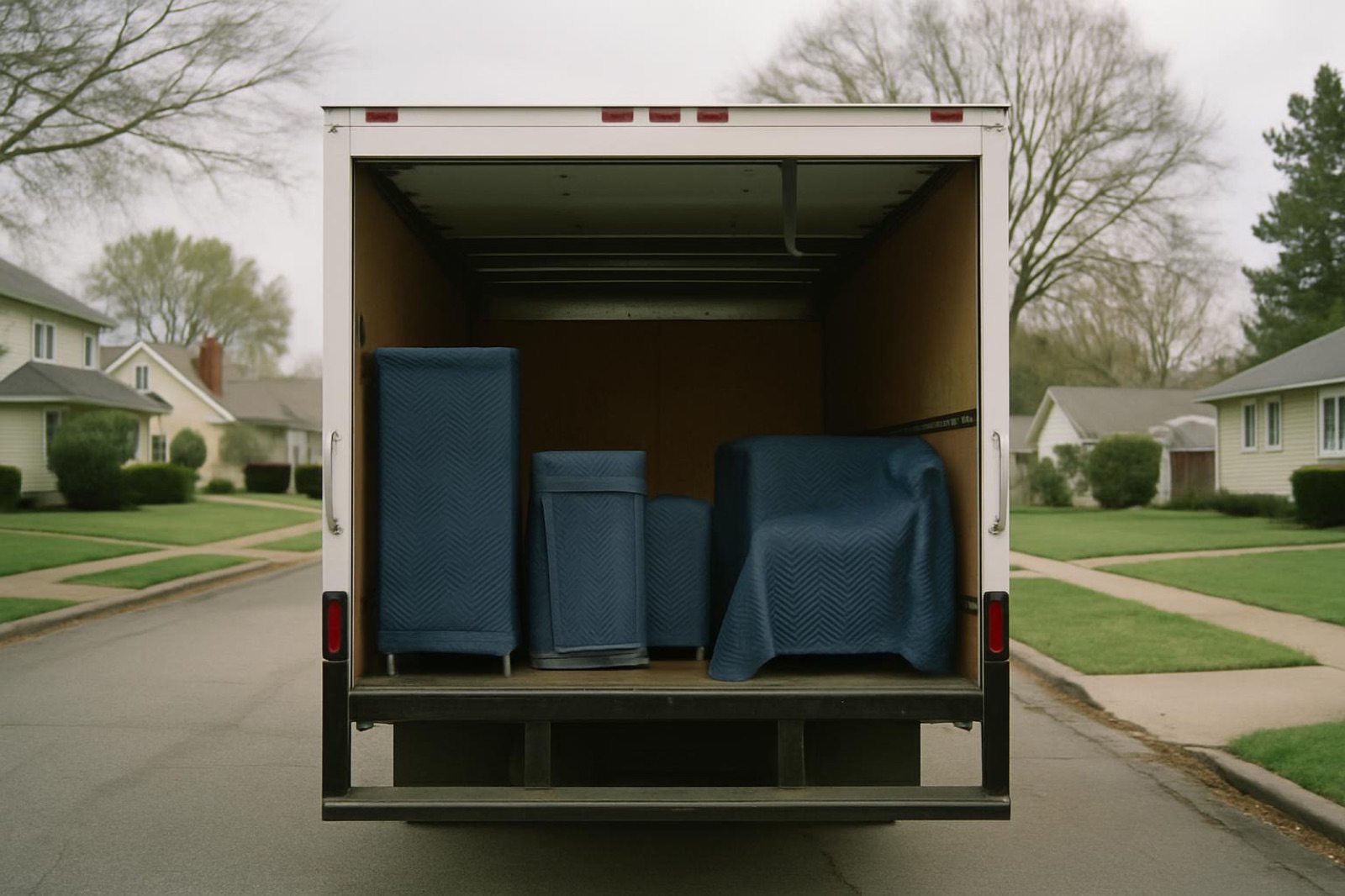
Note the length of the lane, whether there is a tight turn, and whether the surface is gravel, dirt, or paved. A driveway that is fine for a pickup truck can be too narrow or too soft for a fully loaded moving truck.
Photos of the lane, taken from the road looking in, help a great deal when we are quoting the job over the phone rather than in person.
Sort the outbuildings early
A machine shed, a workshop, or a barn often holds years of accumulated tools and equipment that get overlooked until the last week. Start sorting these spaces earlier than the house itself, since they tend to take longer than expected.
Decide what travels with the move and what gets sold, given away, or hauled to the transfer station before moving day, so the crew is not making that call for you on the spot.
Plan for animals separately
If the property has livestock, poultry, or other animals, arrange their transport separately from the household move. Coordinate the timing so the crew is not working around animals in transit on the same day.
Check the driveway again the morning of
Conditions on a rural lane change fast. A dry gravel driveway in September can be a mud track after a week of rain, and the same lane can ice over completely by December. A quick check the morning of the move avoids a truck getting stuck partway down the lane.
If conditions look rough, tell the crew before the truck leaves the yard so a smaller vehicle can be brought instead, rather than discovering the problem halfway down the driveway.
Plan extra time either way
Acreage moves generally take longer than a subdivision move of the same size, simply because of the distance between buildings and the extra items an outbuilding can hold. Building in an extra hour or two on the estimate avoids a rushed end to the day.